

Online Training
Move
Smarter.
Practical knowledge about how your core supports everyday movement. No equipment. No performance goals. Just understanding your body.
Your core does more than you think.
Most people associate core strength with fitness routines. The reality is quieter and more useful. Your core is active when you reach for a glass, shift in your chair, or bend to pick something up. It works in the background of ordinary life.
This training is built around that reality. We focus on understanding rather than performance. What muscles are involved. How they coordinate. Why certain habits create tension and others do not. Knowledge you can apply immediately.
Read our full approach
What this training covers
Four areas that form the foundation of practical body mechanics education.
Desk and Seated Mechanics
Hours at a desk affect how your spine loads and how your breathing muscles work. This section examines what happens to the core during prolonged sitting and what adjustments change the experience.
Movement Through the Day
Transitions matter. Getting up from a chair, climbing stairs, carrying bags. Each of these involves the core in specific ways. Understanding those patterns builds useful awareness.
Lifting and Load Mechanics
Lifting objects is one of the most common activities involving the core. This section covers how the spine, pelvis, and abdominal muscles coordinate during lifting, and how breath plays a role.
Breathing as a Core Function
The diaphragm is a core muscle. Many people are unaware of this. How you breathe influences intra-abdominal pressure, spinal support, and movement quality in ways that are measurable and learnable.
Topics in depth
Each workshop area is documented with visual clarity and accessible explanations.

The Core as a System
Core stability is not about one muscle group. It is a coordinated system: deep abdominals, pelvic floor, diaphragm, and spinal extensors working together. Understanding this coordination changes how you interpret your own body.
See workshops
Pressure, Breath, and Stability
Intra-abdominal pressure is the spine's internal support mechanism. Breath directly regulates it. This relationship is documented in movement science and forms a core part of the educational content here.
See workshops
Desk Work and the Spine
Sustained seated postures create specific loading patterns. This section examines how the lumbar and thoracic regions respond to prolonged desk work, and what kinds of movement variation influence that response.
See workshops
How the training is structured
The workshops are built as self-paced modules. You read, watch, and reflect. There are no timed sessions, no mandatory schedules. Each module covers one topic completely before introducing the next.
Material ranges from anatomy basics to applied movement observation. Some modules are purely conceptual. Others include movement awareness exercises you can do in your chair or while standing.
No equipment is required for any part of the training. A flat floor and a chair are sufficient for everything that involves physical practice.
Learn the anatomy
Understand which structures are involved and why they matter for daily function.
Observe your patterns
Apply awareness to your own movement habits without judgment or performance goals.
Build practical knowledge
Carry understanding forward into the situations you encounter every day.
From the workshop library
View all
Core Anatomy for Non-Specialists
A clear introduction to the muscles and structures involved in core stability, explained without medical jargon.
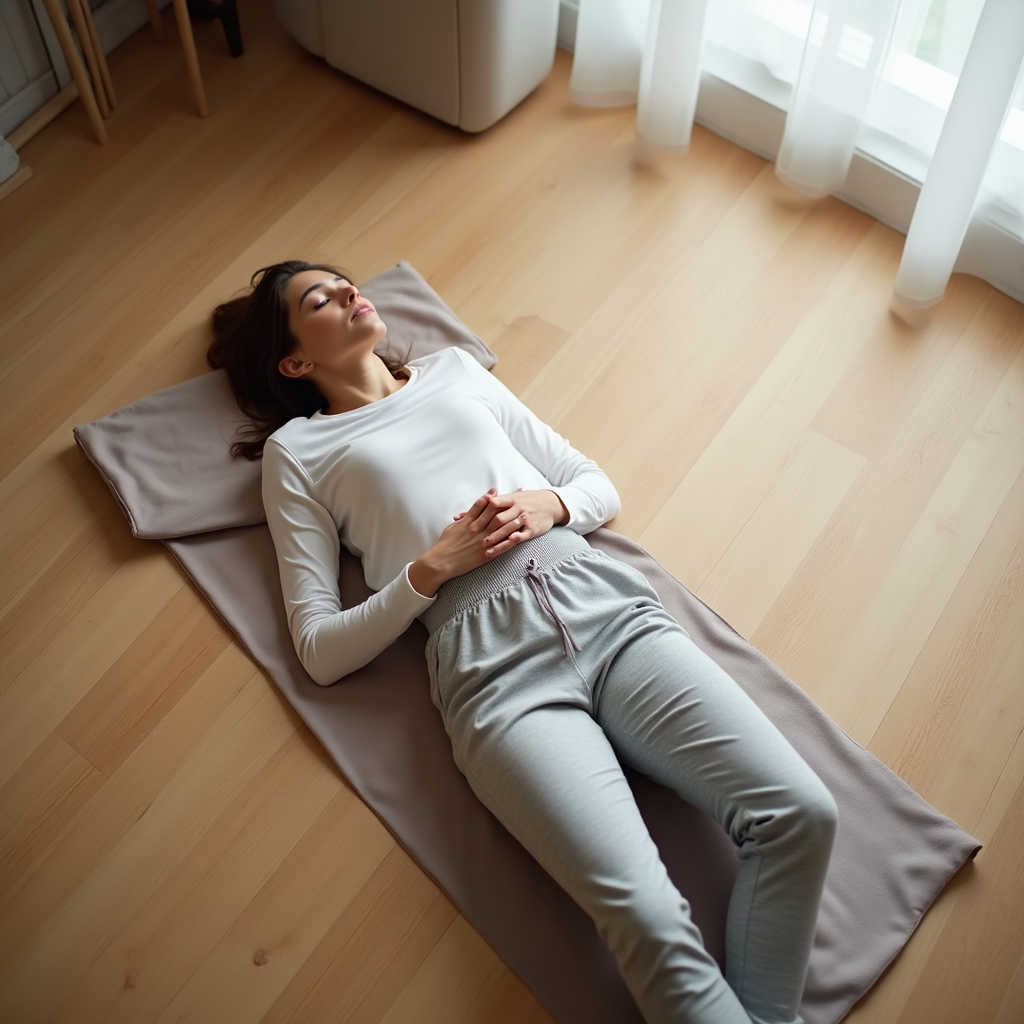
Awareness Exercises on the Floor
Guided movement awareness practices that require only a flat surface. Focused on sensing rather than strengthening.

Standing Posture in Everyday Contexts
How the core functions during prolonged standing, and what variation in posture does to muscle load over time.

Start with curiosity.
The workshop library is open and self-directed. Explore at your own pace.
Browse the Library